
Articles Tagged with
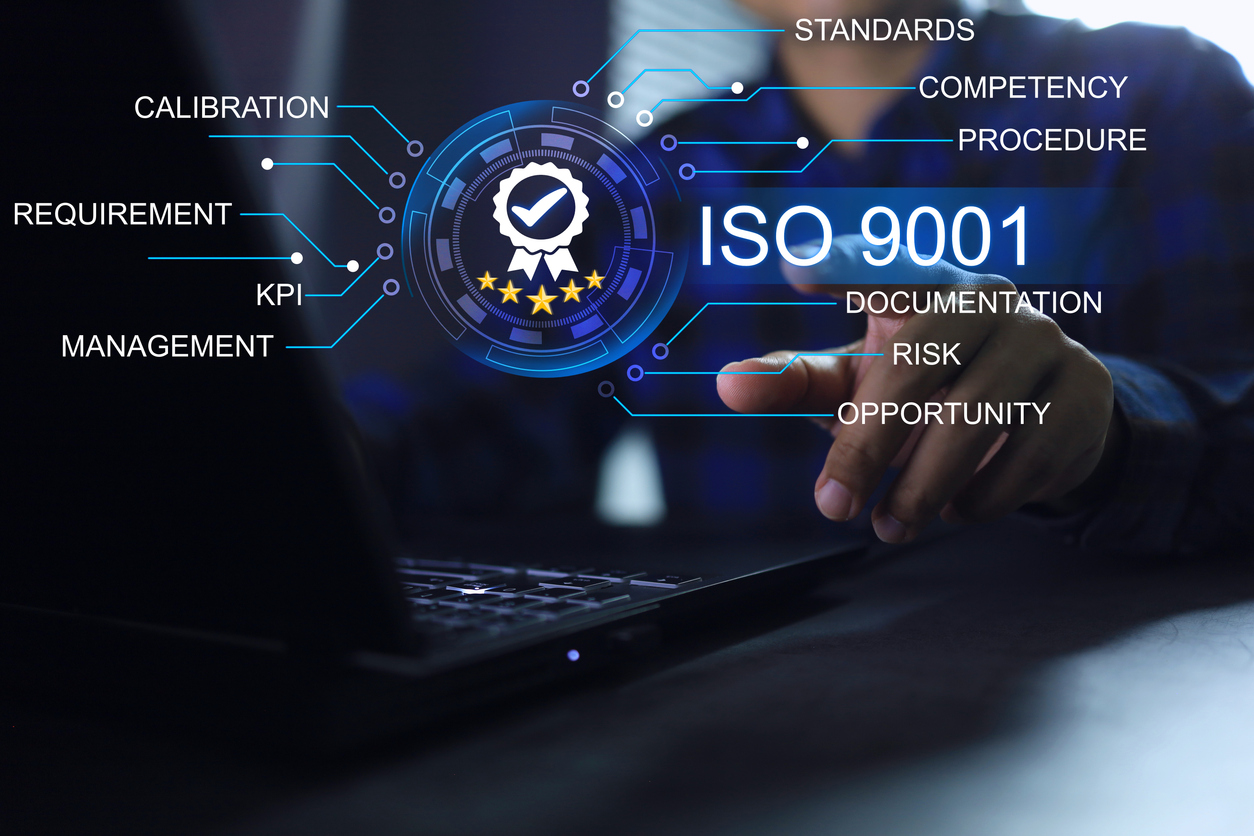
If you are comparing providers, the phrase iso 9001 certification package can look deceptively simple. In practice, the package you choose will shape how quickly you get certified, how much internal time you lose, and whether the system you end up with actually helps the business rather than creating extra admin.
For most SMEs, that difference matters more than the standard itself. ISO 9001 is not usually the hard part. The hard part is turning the requirements into something practical, affordable and manageable when your team is already busy running the business.
What an iso 9001 certification package should actually do
A good package should not just sell you a certificate at the end of a process. It should make the journey to certification easier, faster and clearer from the start. That means giving you the tools to build a working quality management system, not leaving you to interpret the standard alone.
At a minimum, an SME-friendly package should include guidance on gap analysis, support with required documents, a clear implementation route, internal audit help, management review support and the certification audit itself. If any of those pieces are missing, the package may look cheaper up front but cost more in staff time, delays or consultant fees later.
This is where buyers often get caught out. One provider may advertise a low headline price, but templates, support calls, audit preparation and ongoing access to documents are charged separately. Another may include those elements from day one, which makes the overall package far better value even if the starting figure looks slightly higher.
The core parts of an ISO 9001 certification package
The strongest packages are built around delivery, not just paperwork. You are paying for a route to certification that works in the real world.
Initial review and gap analysis
Before anything is implemented, you need to know where you stand. A proper starting review compares your current processes against ISO 9001 requirements and identifies what already exists, what needs tightening up and what is missing completely.
For an SME, this step prevents wasted effort. Many businesses already have workable procedures, customer checks and quality controls in place. They simply need those practices aligned and documented properly. A sensible package recognises that and avoids rebuilding everything from scratch.
Templates that are usable, not generic filler
Templates save time only when they are relevant. Poor ones create more work because your team has to rewrite them or, worse, operate with documents that do not reflect reality.
A worthwhile package should include templates for quality policies, objectives, procedures, non-conformance records, corrective action logs, internal audit reports and management review records. Better still, those documents should be customisable to your business rather than loaded with vague wording that no one uses after certification.
Consultancy and implementation support
This is often the difference between a frustrating project and a smooth one. Many SMEs do not need months of consulting, but they do need access to somebody who can answer questions quickly, review documents and keep the project moving.
Included consultancy hours are especially valuable because they turn uncertainty into progress. Instead of pausing the whole project when a requirement is unclear, you can get a straight answer and move on. That keeps certification commercially realistic for smaller firms that cannot afford long implementation timelines.
Internal audit and management review support
These are standard requirements, but they are also common sticking points. Businesses can understand daily operational controls and still be unsure how to carry out a compliant internal audit or a meaningful management review.
A solid package should guide you through both. That may mean providing templates, coaching, checklists or a clear timetable. Without that support, many companies reach the audit stage with an incomplete system and then have to scramble to correct avoidable gaps.
Certification audit
The audit should be a defined part of the package, with clear scope, process and timing. For SMEs, remote audits are often the most practical option because they remove travel delays, reduce disruption and allow certification to move faster.
That said, speed should not come at the expense of preparation. A fast audit works well when the package includes enough support beforehand. If it does not, a quick audit date can simply expose an unready system.
What to look for beyond the basics
Plenty of packages cover the essentials. The better ones remove friction.
A secure digital portal is a good example. If your documents, guidance notes, progress tracking and audit information are all in one place, certification becomes far easier to manage. Staff know where to find the latest versions, managers can see what is outstanding, and the project does not depend on one person searching through old email chains.
Clear pricing matters just as much. SMEs usually work to a fixed budget, so hidden extras are more than an irritation – they can stall the whole project. You should know what is included, what happens at renewal, and whether support during implementation is part of the fee or billed separately.
Timescale is another key point. Some businesses need certification quickly to meet a tender deadline, customer requirement or contract start date. In that situation, the package needs to support rapid delivery with practical guidance, responsive consultancy and an efficient audit process. A provider that can move quickly is useful only if the service is structured well enough to keep pace.
Choosing the right iso 9001 certification package for an SME
The right package depends on your starting point. A company with a mature set of procedures and an experienced compliance lead may need a lighter-touch service. A growing business with no in-house ISO knowledge will usually benefit from a more guided package with templates, consultancy and structured support included.
This is why the cheapest option is not always the most economical. If your internal team spends weeks interpreting requirements, rewriting documents or fixing audit issues, the hidden cost can easily outweigh the saving on the initial fee.
There is also a balance to strike between standardisation and customisation. Too much customisation can slow the process and push up cost. Too much standardisation can leave you with a box-ticking system that does not fit the business. The best packages sit in the middle – structured enough to be efficient, flexible enough to reflect how you actually work.
Common mistakes when comparing packages
One common mistake is focusing only on the certificate. Certification matters, of course, but the route to getting there affects staff time, stress levels and long-term value. If the package leaves you doing most of the interpretation and document building yourself, it may not be the bargain it first appears.
Another mistake is underestimating the importance of support. Businesses often assume they will be able to work everything out once they have the templates. Sometimes that happens. More often, implementation slows down when questions arise around scope, risk, objectives, process controls or evidence for the audit.
It is also worth checking whether the package is designed for SMEs or simply scaled down from a corporate model. Smaller firms usually need practical, commercially aware support. They do not need layers of complexity that make sense in a large enterprise but add little value in a lean business.
Why digital delivery suits ISO 9001 certification
For many UK businesses, online delivery is not just convenient. It is the reason certification becomes achievable at all.
Remote support reduces downtime and makes it easier to fit implementation around day-to-day operations. Digital document access means your quality system is easier to maintain. Remote audits avoid the scheduling issues and on-site disruption that can slow traditional certification routes.
This model works particularly well for growing SMEs, multi-site operations and service businesses that do not want the cost or delay of older, more cumbersome approaches. It is one of the reasons providers such as ISO-Cert Online Ltd have focused on making certification faster, simpler and more cost-effective for smaller organisations.
The real value of a package is after certification
A good ISO 9001 system should help you win work, improve consistency, reduce avoidable errors and give customers more confidence in how you operate. That only happens if the package gets you to certification with a system your team can actually use.
So when you assess providers, ask a simple question: will this package make certification easier while leaving us with a quality management system that fits the business? If the answer is yes, you are not just buying a certificate. You are investing in a more organised, credible and commercially ready operation.
The best choice is usually the one that saves time, removes uncertainty and keeps the process moving – because for most SMEs, that is what turns ISO 9001 from a pending task into a result.
Ready to get started?
Contact us today on +44 (0)333 014 7720 or email info@isocertonline.net for a free consultation. You can also get a quote online in minutes.
Don’t let cost hold you back from achieving ISO certification. With ISO-Cert Online, management systems certification is affordable for every business.








Recent Comments