
Get a Quote
Articles Tagged with
Business continuity

Home / Business continuity
ISO 22301 business continuity certification
Article, News

ISO 22301 business continuity certification

A cyber incident at 9am, a supplier failure by lunchtime, and a key system offline before close of play – that is often all it takes to expose how prepared a business really is. ISO 22301 business continuity certification is designed to stop disruption turning into downtime, lost revenue and damaged client confidence.

For SMEs, this is not about building a corporate bunker full of paperwork. It is about proving that your business can continue to operate when something goes wrong, recover within an acceptable timeframe, and protect the services your customers depend on. If you are bidding for contracts, working in regulated sectors, or simply trying to reduce operational risk, that matters.

What ISO 22301 business continuity certification actually shows

ISO 22301 is the international standard for business continuity management systems. In plain terms, it gives your organisation a structured way to identify threats, assess impacts, plan responses and keep critical activities running during disruption.

Certification shows that you have moved beyond good intentions. You have documented how your business will respond to incidents, assigned responsibilities, assessed recovery priorities and built a management system that can be reviewed and improved over time. For customers and procurement teams, that creates confidence. For your own leadership team, it creates control.

The standard covers more than disaster recovery in the IT sense. It looks at the wider business – people, premises, suppliers, systems, communications and decision-making. If one of those areas fails, the question is not just what happened, but how quickly you can continue delivering what matters most.

Why SMEs are pursuing ISO 22301 now

A few years ago, many smaller firms saw business continuity as something mainly relevant to banks, major manufacturers or public sector bodies. That has changed. Supply chain disruption, ransomware, utility outages, staffing pressures and tighter procurement requirements have made resilience a commercial issue for businesses of every size.

For some SMEs, certification is driven by tenders. Buyers increasingly want evidence that a supplier can cope with disruption without putting service delivery at risk. For others, it is a practical decision. If your business depends on a small team, one site, a handful of critical suppliers or one core software platform, your exposure can be greater than you think.

There is also a reputational point. When a problem hits, clients are often understanding if they can see you are prepared and communicating clearly. They are less forgiving when it becomes obvious there was no real plan.

What the certification process usually involves

The best route to ISO 22301 business continuity certification is straightforward, but it does require discipline. You need a business continuity management system that reflects how your organisation actually works, not a generic manual that sits untouched in a folder.

It usually starts with defining scope. That means deciding which parts of the business, services, sites and activities the system will cover. For SMEs, keeping scope focused can make implementation faster and more cost-effective, especially if certification is needed for a particular service line or contract requirement.

From there, you identify critical activities and assess the impact of disruption. This is where the business impact analysis sits. You look at what would happen if systems, people, premises or suppliers became unavailable, and how long the business could realistically cope before serious damage occurs.

Risk assessment follows. Some risks are obvious, such as fire, server outages or cyber attacks. Others are less dramatic but just as disruptive, including dependency on one person, one supplier or one process that has never been properly documented.

Next comes planning. You set recovery objectives, define incident response procedures, assign responsibilities, and document how communication will work internally and externally. Training and testing are part of this. A continuity plan that nobody has practised is not much of a plan.

Before certification, there is normally an internal review of whether the system meets the standard and whether it is being followed in practice. Then the formal assessment checks both documentation and implementation.

Where businesses often get stuck

The biggest problem is overcomplicating it. SMEs sometimes assume ISO standards require layers of bureaucracy, so they create too much documentation too early. That slows the project down and makes the system harder to maintain.

The other common issue is the opposite – trying to do the minimum without addressing the real risks. Certification should not be treated as a paper exercise. If your continuity arrangements do not match your actual operations, the system will be difficult to defend in assessment and even less useful in a live incident.

There is also the challenge of internal ownership. Business continuity touches operations, IT, HR, facilities, suppliers and senior leadership. If responsibility sits with one person and nobody else engages, progress can stall. The most effective implementations are practical, proportionate and supported by management from the start.

The commercial benefits beyond the certificate

Winning certification can help with procurement, but that is only part of the picture. A well-built business continuity management system often improves decision-making in day-to-day operations. It forces clarity around dependencies, priorities and response roles.

That can expose weaknesses that were already costing time or money. You may find duplicated processes, unclear responsibilities, fragile supplier arrangements or undocumented workarounds that create avoidable risk. Fixing those issues can make the business run better even when there is no incident.

There is also a customer confidence benefit. If clients are comparing suppliers with similar pricing and technical capability, evidence of continuity planning can strengthen your position. In sectors where uptime and service reliability matter, that can be a deciding factor.

Still, it depends on your market. Some SMEs will see immediate sales value from certification because buyers actively ask for it. Others will get more internal value through risk reduction and operational resilience. Both are valid reasons to pursue it.

A faster route does not have to mean cutting corners

Many smaller businesses delay certification because they assume it will take months, require site visits and consume management time they do not have. That may be true with a traditional, consultant-heavy model. It does not have to be true.

A digital-first approach can make ISO 22301 far more manageable. Remote delivery, guided implementation, practical templates and expert support reduce admin and keep momentum going. That matters if you need certification quickly for a tender, a customer requirement or a board deadline.

The key is making sure speed does not come at the expense of relevance. Templates are useful if they are tailored. Guidance is valuable if it is clear and commercially grounded. Fast certification works best when the process is structured enough to keep you moving, but flexible enough to reflect the reality of your business.

For that reason, many SMEs prefer a model that combines consultancy support with remote assessment and digital document control. It is often more affordable, easier to manage and less disruptive to the working week.

How to decide if now is the right time

If a tender asks for continuity credentials, the timing decision may already be made for you. If not, the better question is whether your current level of resilience would stand up to scrutiny from a client, insurer, auditor or your own leadership team.

Consider how dependent you are on a few key individuals, systems or suppliers. Think about how quickly you could restore critical services after an incident. Ask whether your response would be coordinated or improvised. If the honest answer is somewhere between uncertain and hopeful, certification may be worth bringing forward.

It can also make sense to align ISO 22301 with other standards if you already have, or plan to implement, a wider management system. There is often overlap in areas such as leadership, risk, document control, internal audits and continual improvement. That can save time and reduce duplicated effort.

At ISO-Cert Online Ltd, the focus is on making that process practical for SMEs – fast, affordable and supported without turning certification into a drawn-out consultancy project.

What good looks like after certification

The certificate is not the finish line. A useful business continuity system should stay live, with plans reviewed, risks reassessed and test results feeding back into improvements. Staff should know what is expected of them. Critical suppliers should be understood. Recovery priorities should still reflect the current business, not last year’s version of it.

That is where real value sits. Not in having a framed document on the wall, but in knowing that when disruption happens, your business is less likely to freeze, guess or overreact.

If your customers expect reliability and your business cannot afford avoidable downtime, ISO 22301 business continuity certification is less about formality and more about being ready when readiness counts.


Ready to get started?

Contact us today on +44 (0)333 014 7720 or email info@isocertonline.net for a free consultation. You can also get a quote online in minutes.

Don’t let cost hold you back from achieving ISO 22301:2019 certification. With ISO-Cert Online, business continuity management certification is affordable for every business.

ISO certification
Article, News

Building Resilience: How ISO 22301 Certification Protects Your Business from Disruption

In a world where natural disasters, cyber incidents and supply‑chain disruptions are no longer rare events, planning for the unexpected has become a strategic imperative. Every organisation, from small startups to multinational corporations, depends on the continuity of its operations to deliver products and services, meet customer expectations and maintain trust. When critical functions are interrupted, the consequences can be far‑reaching: lost revenue, reputational damage and, in extreme cases, business failure. This is where a Business Continuity Management System (BCMS) comes into play. It offers a structured way to identify potential threats, assess the impact of disruptions and develop plans to keep operations running smoothly. ISO 22301:2019 is the internationally recognised benchmark for such systems, and achieving certification demonstrates that your business is serious about resilience.

Why Business Continuity Matters

Many organisations focus on growth and efficiency yet underestimate how quickly a crisis can unravel their hard work. A flood might destroy a warehouse, a ransomware attack could lock users out of vital systems or a key supplier could be forced to halt deliveries at short notice. While you can’t prevent every risk, you can prepare for them. A strong BCMS ensures that critical processes continue operating or are restored quickly, limiting downtime and reducing financial losses. It also helps protect employees, customers and other stakeholders by providing clear procedures during an emergency. Ultimately, investing in business continuity is about safeguarding the value you have built and ensuring that your organisation can adapt in an uncertain world.

What is ISO 22301?

ISO 22301 is the first global standard dedicated to business continuity management. It sets out requirements for creating, implementing and maintaining a BCMS. The standard’s structure encourages organisations to assess internal and external risks, identify essential functions and establish plans for maintaining or recovering those functions during a disruption. Achieving ISO 22301 certification shows regulators, clients and partners that your business can continue operating under difficult circumstances. It’s not just about risk avoidance; it’s about demonstrating reliability and trustworthiness.

Common Threats to Continuity

Disruptions come in many forms. Natural hazards like storms, earthquakes and fires can damage infrastructure. Technical failures, such as power cuts or equipment malfunctions, may halt production lines. Cyber attacks can cripple IT systems and expose sensitive data. Health emergencies, like the COVID‑19 pandemic, can force closures or restrict the movement of staff. Even seemingly simple issues, such as losing a key member of staff or encountering a major supplier delay, can create significant challenges. By working through ISO 22301’s framework, organisations gain a comprehensive view of these risks and develop strategies to mitigate them.

Benefits of ISO 22301 Certification

There are tangible reasons to pursue ISO 22301 certification beyond compliance. First, it helps ensure that your employees understand their roles during a crisis, enabling faster, more coordinated responses. Second, customers and partners gain confidence knowing that your services won’t simply evaporate when an issue arises. Third, insurers and financial stakeholders often view certified businesses as less risky, which can lead to more favourable terms. Furthermore, a well‑implemented BCMS can uncover inefficiencies in existing processes, leading to cost savings even when no disruptions occur. Finally, demonstrating commitment to business continuity can differentiate you from competitors, showing that you prioritise reliability and long‑term success.

How the Certification Process Works

Attaining ISO 22301 certification involves more than filling out forms. It begins with a gap analysis to compare your current practices against the standard’s requirements. You’ll conduct a business impact analysis to identify critical functions and the resources they require. Risk assessments will help determine the likelihood and potential effects of various disruptions. From there, you develop strategies to maintain or restore operations, including communication plans, resource allocation and recovery time objectives. Policies and procedures must be documented, and staff must be trained on their roles. An independent auditor will then review your system to verify compliance with the standard.

The Advantages of Online Certification

Traditionally, certification meant having consultants visit your site and comb through paperwork. ISO‑Cert Online Ltd has embraced a digital approach, removing the need for on‑site audits. Using secure portals, you upload evidence of your BCMS, and assessors review it remotely. This model reduces travel time, cuts costs and minimises disruption to your staff. It’s also more environmentally friendly, as fewer journeys are required. ISO‑Cert Online provides up to four hours of free consultancy to guide you through the process, and your progress is monitored in real time so you always know what remains to be done.

Steps to Get Started

  1. Get in touch. Begin by contacting ISO‑Cert Online for an initial consultation. You’ll discuss your organisation’s needs, scope and time frame.
  2. Perform a gap analysis. Work with your consultant to identify any shortcomings between your current processes and ISO 22301 requirements.
  3. Develop your BCMS. Create documentation, conduct risk assessments and define recovery strategies. Use the guidance provided by ISO‑Cert Online’s experts.
  4. Implement and train. Roll out the BCMS across your organisation and ensure that all relevant staff understand their responsibilities.
  5. Submit evidence. Upload your documents and evidence via the secure portal. An independent auditor will review your system and may request clarifications.
  6. Receive your certificate. Once your BCMS meets the standard, you’ll receive an ISO 22301 certificate that you can share with clients, insurers and regulators.

Preparing for a Resilient Future

No business can predict every shock, but organisations that plan for disruption tend to recover faster and suffer less damage. ISO 22301 certification demonstrates that your company takes business continuity seriously and has invested in processes to protect its people and customers. With the convenience of remote assessments and expert guidance from ISO‑Cert Online Ltd, implementing a BCMS is more achievable than ever. Strengthen your resilience today so you can face tomorrow’s challenges with confidence.

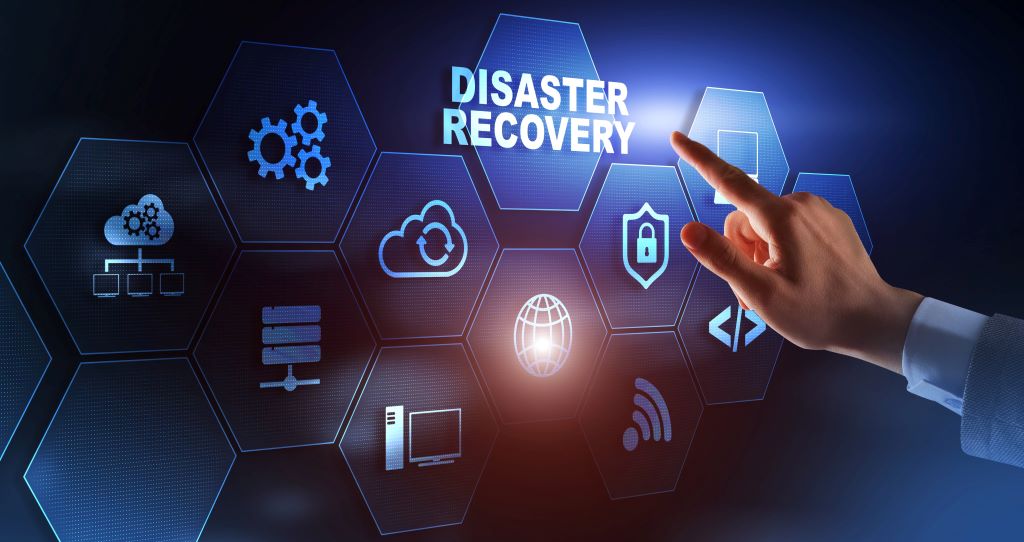
A screen with lots of hexagonal tiles. The title tile is Disaster Recovery. the other tiles show icons such as cogs, security shields and padlocks, computers, wifi and the cloud
Article

Use ISO 22301 to manage your business continuity planning

Home Business continuity

Within the global economy, small and medium-sized enterprises (SMEs) play a significant role. According to the World Bank, SMEs account for roughly 90% of all businesses worldwide. And they make a substantial contribution both in terms of job creation and economic growth. However, evidence shows that SMEs can be more vulnerable to disruptions than larger organisations. For example, natural disasters, cybercrime, or a pause in production. So, we would recommend that SMEs manage your business continuity planning by having a business continuity plan (BCP) to ensure survival in the face of unexpected events.

A BCP is one proactive approach you can take to protect your business. It ensures that your business can continue to operate during and after a disruptive event. A BCP should cover all aspects of your business, including your people, processes, systems, and facilities. It should also identify your critical functions/departments and resources. That is, those which are necessary for the business to continue to operate normally and successfully.

Why is a business continuity plan important for SMEs?

There are several reasons why a BCP is critical for SMEs. Firstly, SMEs often have limited resources. So if faced with a significant unforeseen incident, they may not be as resilient as their bigger counterparts to get through the financial losses or operational interruption. Secondly, SMEs often have fewer employees. Therefore they won’t have the same level of expertise to hand, as larger organisations, to manage a crisis immediately. Finally, SMEs are often reliant on a small number of key suppliers. Consequently, a disruption to their supply chain could have a damaging impact on their business.

What is ISO certification?

ISO certification is a globally recognised standard which can support SMEs to develop and implement an effective BCP. The ISO 22301 standard provides a step-by-step approach for business continuity management (BCM) and outlines the requirements for a BCP. The standard touches on every element of BCM. Typically, this includes risk assessment, business impact analysis, strategy development, and the implementation and testing of the plan.

ISO certification can benefit your SME in several ways. For example, it provides assurance to your stakeholders, who may include your customers, suppliers, and investors, that you have implemented best practices for BCM. This can enhance your company’s reputation and help you to attract and win new business. Also, ISO certification can help you to identify and resolve performance gaps in your BCM processes. This leads to increased efficiency and cost savings. Additionally, ISO certification can help you to comply with legal and regulatory requirements related to business continuity.

“Events over the last few years have shown that unexpected events can happen quickly, with no warning, and have devastating impacts for businesses of all sizes, and particularly SMEs. We are committed to supporting you to strengthen and protect your business by achieving ISO certification with ease, in the most cost-effective and time-efficient way possible.”

Claire Howard, Director, ISO-Cert Online Limited

For more information on ISO-Cert Online’s services or to discuss your requirements please contact us on 0333 014 7720 or email info@isocertonline.net.

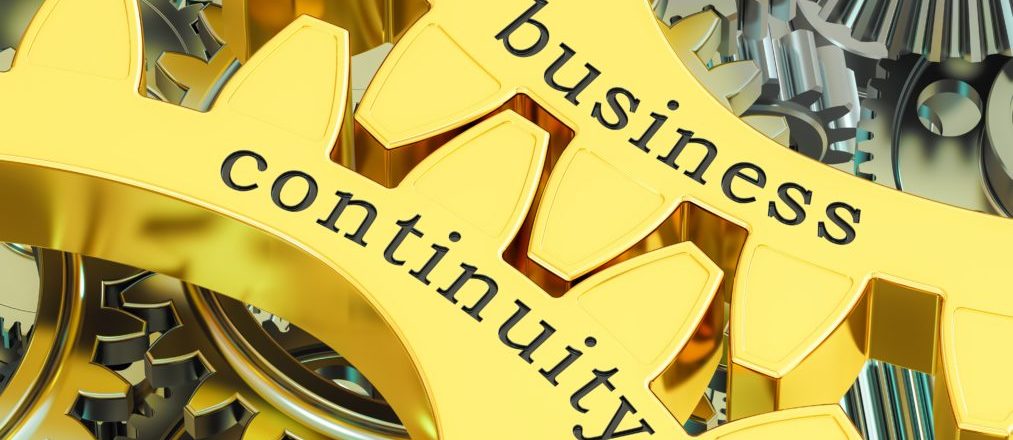
Two intertwining cogs - one saying Business, the other saying Continuity
Article

Why is business continuity planning important for SMEs?

Home Business continuity

Many of our clients ask us “Why is business continuity planning important for SMEs?”. Chiefly, our answer is that business continuity management (BCM) is essential for small and medium-sized enterprises (SMEs). Because it helps them prepare for and mitigate the impact of unexpected events that can disrupt their operations. These events could be natural disasters, cyber-attacks, pandemics, supply chain disruptions, or other unforeseen circumstances that could interrupt normal business operations.

What evidence suggests that business continuity planning is important for SMEs?

To highlight the importance of business continuity planning for SMEs, according to the Federation of Small Businesses (FSB) and the British Insurance Brokers’ Association (BIBA):

  • 50% of SMEs fail to reopen after a major disaster such as a fire, flood or cyber-attack.
  • 66% of SMEs don’t have a business continuity plan in place to deal with such disasters.
  • 90% of SMEs in the UK underestimate the potential risks they face.
  • 40% of SMEs would be forced to close within a year if they suffered a major disaster.

What does business continuity planning involve?

Business continuity planning involves first identifying potential risks. Then developing strategies to minimise their impact. And having procedures in place to ensure that critical business functions can continue even during a crisis. As a result, it can be difficult to know where to start.

What is ISO 22301?

The ISO 22301 standard provides a framework for BCM. Moreover, it sets out the requirements for a business continuity plan. Indeed, the standard comprehensively covers they key aspects of BCM. these include risk assessment, business impact analysis, strategy development, and plan implementation and testing.

“We work with SMEs across all sectors to support them with establishing and maintaining effective business continuity management. Experience shows us that by implementing a business continuity plan, based on the ISO 22301 standard, businesses can increase their resilience, continue to satisfy their customers, protect their reputation and, importantly, stay competitive.”

Claire Howard, Director, ISO-Cert Online Ltd

For more information on ISO-Cert Online’s services or to discuss your requirements please contact us on 0333 014 7720 or email info@isocertonline.net.
Recent Comments
    About Exponent

    Exponent is a modern business theme, that lets you build stunning high performance websites using a fully visual interface. Start with any of the demos below or build one on your own.

    Get Started
    Privacy Settings
    We use cookies to enhance your experience while using our website. If you are using our Services via a browser you can restrict, block or remove cookies through your web browser settings. We also use content and scripts from third parties that may use tracking technologies. You can selectively provide your consent below to allow such third party embeds. For complete information about the cookies we use, data we collect and how we process them, please check our Privacy Policy
    Youtube
    Consent to display content from - Youtube
    Vimeo
    Consent to display content from - Vimeo
    Google Maps
    Consent to display content from - Google
    Spotify
    Consent to display content from - Spotify
    Sound Cloud
    Consent to display content from - Sound
    Get a Quote